
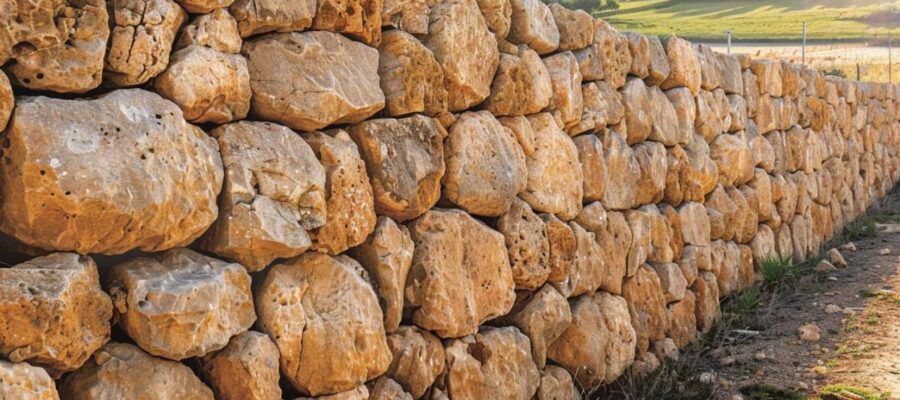
The isolation of a stone wall represents a technical challenge for many owners of old houses. Although the stone is appreciated for its charm and robustness, it does not have the insulating qualities necessary to meet the modern requirements of thermal comfort. Let's discover together the best techniques to optimize the isolation of your stone walls and transform your home into a warm and efficient cocoon from an energy point of view.
Why is a stone wall essential?
Contrary to popular belief, stone walls require adequate isolation. Despite their imposing thickness, these structures have a low thermal resistance, well below current standards such as RT 2012. This feature is explained by the density of the stone, which lacks air to offer effective isolation.
The consequences of the failure of the insulation are multiple:
- Significant thermal losswith consequent energy consumption
- Increased risk of condensation and development of mold
- Progressive deterioration of the structure due to humidity
- Thermal discomfort, with significant variations in temperature
Isolating a stone wall has many advantages:
- Significant improvement in thermal comfort
- Reduction of energy bills (about 25% savings)
- Creation of a healthier internal environment
- Evaluation of the property
Key steps for successful insulation
To ensure the optimal isolation of your stone walls, it is essential to follow a methodical approach. Here are the essential passages not to be overlooked:
1. Evaluation Before starting the work, it is essential to perform a complete diagnosis of the wall condition. This inspection will allow you to detect possible humidity or structure problems that would require previous treatment. Do not hesitate to call a RGE certified professional (recognized guarantor of the environment) for this evaluation.
2. Choice of isolation method: Two options are available: thermal insulation from the inside (ITI) or from the outside (ite). Each presents its advantages and disadvantages:
| Criteria | IN | Ite |
|---|---|---|
| Cost | Less expensive | More expensive |
| Efficiency | Well | Excellent |
| Impact on the internal space | Reduction of living space | No impact |
| External appearance | Unchanged | Modified |
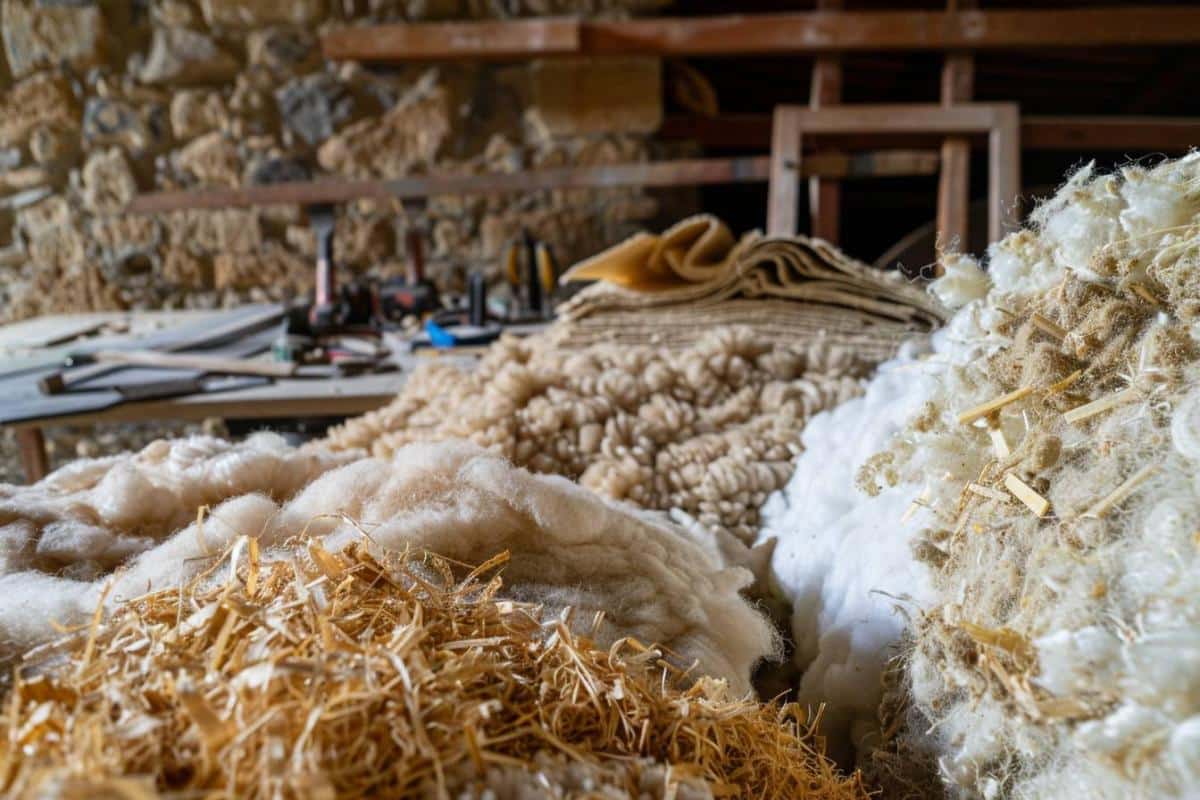
3. Selection of insulating materials: The choice of materials is essential to ensure efficient and durable insulation. Promote the isolation of breathing, able to evacuate humidity and offer high thermal resistance. Natural or biosourcing materials such as wood fiber, hemp or sheep wool are particularly suitable for stone walls.
Isolation techniques adapted to stone walls
The isolation of a stone wall requires specific techniques to preserve its qualities by improving its thermal performance. Here are some proven methods:
Internal isolation (ITI): This technique consists in fixing a frame (wood or metal) against the existing wall, therefore inserting the isolation between the quantities. A vapor barrier is then positioned, followed by a final coating, in general. This method, although slightly reducing the internal space, maintains the external appearance of the building.
External insulation (ITE): More complex but very effective, this solution is to wrap the wall with an insulating layer, covered by a protective and finish coating. This technique preserves the thermal inertia of the stone while it offers excellent isolation. It may require administrative authorization, particularly in protected areas.
Insulating coatings: For visible stone walls, insulating patches represent an interesting alternative. Composed of lime and light aggregates (perlite, vermiculite), they offer moderate insulation by preserving the traditional aspect of the wall.
Overall optimization of isolation
To maximize the effectiveness of the isolation of your stone walls, it is wise to adopt a global approach to the energy renovation of your habitat. Here are some additional routes:
Roof insulation: The roof is responsible for about 30% of thermal losses, its isolation is essential. Opt for high -performance materials such as rock wool or cellulose.
Opening treatment: Windows and doors are often weak points in isolation. Take into consideration the installation of double or triple glass to significantly improve the thermal performance of your home.
Ventilation: A well -insulated house requires effective ventilation to avoid humidity problems and guarantee good internal air quality. The installation of a double -flow VMC is often recommended in the context of a global renovation.
Isolation des Sols: Do not neglect the isolation of the low floors, especially if your home has an unheated healthcare or cellar.
By adopting a global approach to isolation, you will not only optimize the thermal comfort of your home, but you will also make a significant savings on energy bills. Do not forget to discover the available financial aid (Maprimerénov «, certified at the level of eco-president at zero rate) which can considerably reduce the cost of your energy renewal work.
The isolation of a stone wall is essential to improve thermal comfort and reduce energy consumption. Here are the essential points to remember:
- Need to isolate : Despite their thickness, the stone walls have a low thermal resistance.
- Choice of the method : Isolation from the inside (iti) or from the outside (ite), each with its advantages.
- Suitable materials : To encourage insulation breathable and natural like wooden fiber or hemp.
- Global approach : Consider isolation of the roof, openings and floors for optimal efficiency.
latest posts published

Thyme – Everything you need to know about Timo

Modern agriculture with the help of industrial drones

Lavender culture. Rules of treatment to obtain a rich harvest

What are the machines that serve to alleviate agricultural work?

What prevention methods should you apply when using the total herbicide?

How many types of fertilizers are there and when do you have to use them?

The complete guide to the preparation of the garden in the cold season

The main agricultural works in July

Fodder Beet – Everything you need to know about its cultivation
