

What is organic agriculture?
Conform Ministry of agriculture and rural developmentThe definition of ecological agriculture is: «» ecological agriculture «, a term protected and attributed by EU Romania to define this agricultural system and is similar to the terms» organic agriculture «or» biological agriculture «used in other Member States».
Ecological agriculture refers to the promotion of a system of agriculture which respects the environment and facilitates modern socio-economic requirements. Also called organic agriculture, it has the role of producing clean foods with the help of practices that align with the aim of preserving and developing the environment. Agricultural products that result from this agriculture must be fresh, without any intervention on natural development factors. The main purpose of ecological agriculture is the sustainable development of agriculture, the growth of economic activities, as well as the increase in interest in the development of rural space, exploiting valid natural resources.
What are the specific practices for organic agriculture?
Ecological agriculture has the mission of creating a balance between industry and biodiversity of nature. For this reason, food production is carried out following a series of rigorous rules. Here are the specific practices of organic agriculture:
- In the production phase, farms do not use:
- Genetically modified organisms or derivatives of
- Fertilizers and synthetic pesticides
- Growth stimulators
- HORMONE
- Antibiotics
- In the processing phase, it is not used:
- Food additives
- Complementary or chemical synthesis.
The transition from conventional agriculture to ecological agriculture has a positive impact on the environment, the producer and the consumer. By eliminating chemicals, agricultural products are subject to a low risk of contamination and are safer for both human and animal consumption.
Drinking water is no longer exposed to the risk of contamination from nitrates and bacteria and biodiversity becomes more varied and exceeds the danger to which it is subject through conventional agriculture.
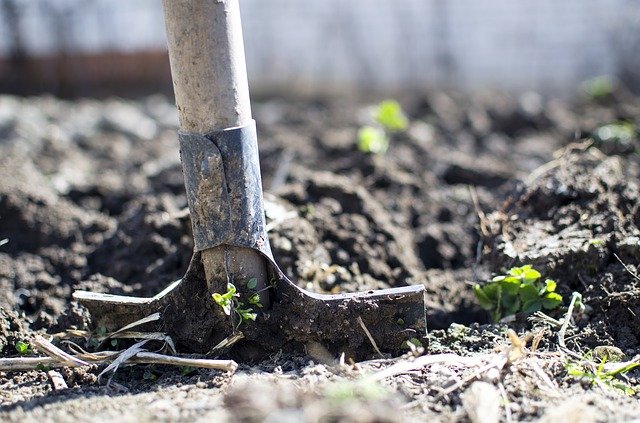
The advantages of biological agriculture
Ecological agriculture has many advantages.
Reduction of contamination
First of all, air, water and agro products feed are less contaminated. Once ecological agriculture extends, the air has a better quality, since chemicals are no longer used. The presence of pesticides in drinking water is a real and topical problem, since conventional agriculture is the main source of water contamination with nitrates, nitrites, bacteria and pesticides. I do not use pesticidal reduces the risk of contamination of agricultural products.
Ecological agriculture provides biodiversity
In conventional agriculture, biodiversity decreases due to the specialization, the intensification, the lack of mixed farms, the lack of an unwritten use of land and pesticides. The use of pesticides is a danger to plants, animals and humans. They threaten the existence of some wild species of plants and animals. The use of pesticides is considerably reduced the sources of birds for birds. Unlike conventional farms, in ecological ones there is an increase in the number and species of birds.
The rotation of the crops practiced in ecological farms helps to maintain the duration of the soil. In addition, it causes smaller number of problems caused by diseases, pests and weeds. Ecological agriculture helps to achieve a more varied landscape and guarantees greater biodiversity.
Ecological agriculture provides fertile and healthy ground
Conventional agriculture has led to a decrease in the content of organic matter from the ground and the accumulation of toxic compounds. Ecological agriculture helps to maintain fertility and health of the soil, with biological methods, such as: rotation of crops, manual works, diet, composting, mulching through the use of organic fertilizers.
The erosion of the soil is reduced, which is also determined by the decrease in the content of the organic matter of the soil that is obtained in conventional agriculture using synthetic chemical fertilizers. The improvement of the soil structure and the reduction of erosion are obtained by keeping the soil covered as long as possible, both by growing the coverage and mulching.
In organic agriculture, water consumption is reduced, due to soil improvement by increasing the content in organic issues and improving its structure, as well as for better coverage. Therefore, water is better detained and preserved in the ground, leading to reducing the expenses with irrigation.
Ecological products are more quality, they have a higher content in essence dry, amino acids, vitamins and minerals.
Ecological agriculture protects the environment
Ecological agriculture aims to keep the environment unaltered, using less soluble organic and mineral fertilizers, compounds, green fertilizers and vegetable preparations. The use of pesticides is prohibited and only products that do not damage plants are allowed.
Ecological agriculture reduces global environmental problems, such as: acid rain, global warming, reduction of biodiversity and desertification. This type of agriculture reduces the emission of gas responsible for the greenhouse effect.
In addition, this agriculture is based on practices that require a lot of manual work. Therefore, the same amount of food can be produced with 19% less energy in organic agriculture, compared to conventional agriculture.
Disadvantages of biological agriculture
Together with the numerous advantages, organic agriculture has some disadvantages. Here are these:
- Low performance levels
- The price of enhancement of ecological agricultural products is higher than that of conventional products
- Ecological products are accessible to the consumer segment with financial possibilities above the average of the population
How do you conversion to organic agriculture?
Conversion to this type of agriculture is essential, because it represents a solution to various environmental problems. The passage is not reached day by day, but for a long enough period to allow the ground to become fertile and guarantee the restoration of the balance of the ecosystem, according to the legislation.
The mandatory conversion period from conventional agriculture to ecological agriculture is at least two years before sowing. In the case of pascoli and perennial feed, the period is at least two years before the use of these products as feed obtained from organic agriculture. For perennial cultures, the conversion period is at least three years before the first harvest of ecological products.
In the case of equidae and cattle, the period is 12 months for the production of meat and at least three quarters of their life. In the case of small ruminants, pigs and animals for milk production, the conversion period is 6 months. In the poultry used in the production of meat, the period is 10 weeks and for birds for egg production, the period is 6 weeks.
The conversion period for the bees is one year, if the family was purchased by conventional alvear.
Conclusion
Ecological agriculture emphasizes the environment. With the help of this type of agriculture, you can see beneficial effects on the environment, food, animals and humans. The transition from conventional agriculture to ecological agriculture is a lasting process, which has many benefits.
Photo source: pixabay
latest posts published

Thyme – Everything you need to know about Timo

Modern agriculture with the help of industrial drones

Lavender culture. Rules of treatment to obtain a rich harvest

What are the machines that serve to alleviate agricultural work?

What prevention methods should you apply when using the total herbicide?

How many types of fertilizers are there and when do you have to use them?

The complete guide to the preparation of the garden in the cold season

The main agricultural works in July

Fodder Beet – Everything you need to know about its cultivation
