
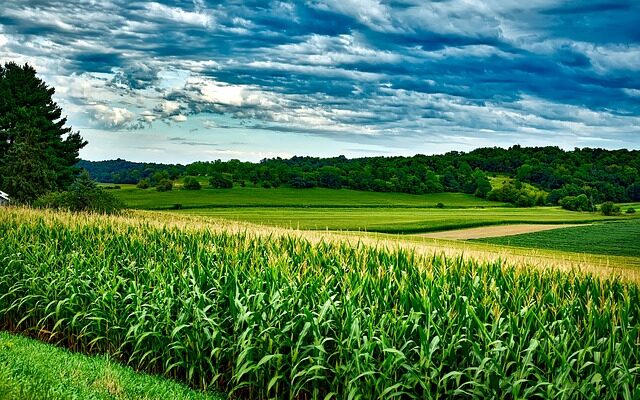
Monoculture, that is, the practice of cultivating the same type of plant on the same years of land in a row, is a large -scale method in agriculture due to its economic advantages and ease in the management of culture. However, in the long term, this practice has significant negative effects on the quality of the soil, biodiversity and sustainability of the agricultural system. The degradation of the territory can lead to a reduction in agricultural returns, increase the need for chemical fertilizers and exposure to erosion. We present in detail the impact of monoculture on the ground and offer effective methods to prevent soil degradation and to maintain a healthy agricultural balance.
The impact of the single -culture on the soil
Monoculture may seem like a practical and efficient solution, but its effects on soil and agricultural environment are generally negative. Among the most important consequences are:
1. Exhaustion of essential nutrients
Each plant absorbs a specific set of nutrients in the ground. The cultivation of the same type of culture on the same earth's surface repeatedly leads to a nutritional imbalance. For example, corn It requires large quantities of nitrogen and without adequate compensation by fertilization, the soil becomes increasingly depleted. In the absence of an alternation between cultures to restore these nutrients, the earth loses its fertility and becomes increasingly dependent on chemical fertilizers.
2. Increase in soil compaction
Through the intense mechanized works and the lack of vegetable diversity, the monoculture leads to the compaction of the soil. This reduces the porosity of the earth, limiting the capacity of water retention and decreasing access to the root to oxygen. Consequently, the soil becomes less productive and crops have difficulty developing.
3. Increase in vulnerability to diseases and parasites
A healthy agricultural ecosystem is supported by biodiversity. The monoculture promotes excessive multiplication of parasites and specific diseases for a single culture, because they constantly find the source of food for development. For example, the monoculture of wheat can attract repeated attacks of brown rust, while the cultivation of repeated potatoes favors the spread of the cockroach of the Colorado.
4. Increase in the consumption of chemical pesticides and fertilizers
To combat the negative effects of monoculture, farmers are obliged to use a greater quantity of chemical pesticides and fertilizers. In the long term, this practice can lead to soil pollution, contamination of groundwater and reduce natural fertility.
5. Acceleration of soil erosion
The lack of diversity of crops affects the soil structure and reduces its ability to retain water and nutrients. In the case of the slopes, the erosion caused by the wind and rain becomes a big problem, contributing to the loss of the fertile land layer and the decrease in agricultural yields.
How to prevent the degradation of the soil caused by monoculture?
In order to maintain the fertility of the soil and guarantee sustainable agricultural production, it is essential to adopt a management of the modern and efficient field.
1. Rotation of crops
The alternation of crops is one of the most effective methods to prevent nutrients and the accumulation of parasites. By changing the type of plant grown on a earth, the soil can regenerate its nutritional reserves. For example, after an intensive crop of corn, it is possible to introduce a crop of legumes, such as peas or soybeans, which fixes nitrogen in the ground and improves the fertility of the earth.
2. Covering crops and interspersed
Plant cover crops, such as clover or mustard, help improve the soil structure and reduce erosion. In addition, the use of interspersed crops, such as the alternation between corn files and beans, contributes to the diversification of the production system and maintaining a balanced agricultural ecosystem.
3. The correct application of organic fertilizers
The replacement of a part of chemical fertilization with organic fertilizers, such as compost or manure, improves the quality of long -term soil. They prefer the activity of beneficial microorganisms and help to maintain an optimal balance of nutrients.
4. The use of conservative agricultural techniques
The reduction of plowing works and the implementation of some minimum soil disorder techniques contributes to the conservation of humidity and the prevention of soil degradation. Using modern technology, such as direct sowing and milking, the soil can maintain its fertility without requiring excessive mechanical interventions.
5. Soil monitoring using modern technology
Precision agriculture allows farmers to monitor nutrients, humidity and general soil. Digital sensors and drones help to identify problems with problems, allowing a more efficient application of fertilizers and pesticides only where necessary.
In the end
The monoculture, although it can bring short -term benefits, represents a threat to the health of the soil and the sustainability of agricultural production. The degradation of the soil by exhausted nutrients, accelerated erosion and the growth of diseases and parasites are the main problems that affect both farmers and agricultural ecosystem.
By adopting sustainable practices, such as the rotation of crops, the use of coverage crops, organic fertilization and conservative agriculture, we can maintain the productivity of the soil and prevent the negative effects of monoculture.
Healthy soil is essential to obtain rich and quality harvests and protecting it is the key to efficient and durable agriculture. By implementing modern and ecological solutions, we can guarantee a safer and prosperous future for future agriculture!
latest posts published

Thyme – Everything you need to know about Timo

Modern agriculture with the help of industrial drones

Lavender culture. Rules of treatment to obtain a rich harvest

What are the machines that serve to alleviate agricultural work?

What prevention methods should you apply when using the total herbicide?

How many types of fertilizers are there and when do you have to use them?

The complete guide to the preparation of the garden in the cold season

The main agricultural works in July

Fodder Beet – Everything you need to know about its cultivation
