

General information on the Municipality Ragno Rosso
The common red spider, with the scientific name of Tetranychus Orticae, Tetranychus Althaeae, Distribution OR Tetranychus TelausAnd known under the popular name of common red spider, common red mite or common spider, it is a kind of polyphagic spider. It is a dangerous parasite for vegetable crops on the field and spaces, orchards or protected screws. In rare cases, it is also harmful to the culture of soy. Lately, the common red spider began to extend its attack on other agricultural crops, such as corn and sunflower.
This mite presents 6-10 generations per year. Winter in the adult phase, in particular females. A female launches up to 120 eggs, with about 10-12 eggs per day. The eggs are deposited in a spider of silky threads, often located on the bottom of the leaves, especially along the nerves. Depending on the climatic conditions, a generation of common red spider is about 15-28 days. Adults and larvae have high mobility, therefore they spread easily from one plant to another.
What plants attack the attack of the red spider and how can we identify it?
The attack of the common red spider is more pronounced during July-August. This mite attacks numerous cultivated plants, such as: tomatoes, cucumbers, peppers, aubergines, beans, screws, pumpkins, potatoes, melons, screws, fruit trees and various flowers.
The common red spider multiplies and develops quickly especially when the temperatures are high and the humidity in the air is relatively low. The signs of the attack are observed especially during May-October and the attack is the most aggressive in the hot summers, during July-August. The mite punishes the organs of the plants, such as the leaves and flowers, and feed on their cell juice. Initially, the spider colonizes the lower part of the leaves, then extends on both sides of the leaf, when the number of mites increases.
While the common red spider sucks cell juice in the organs of plants, degrade, the empty content and the air enter them, giving them an aspect of parchment. The leaves that are attacked by this spider have characteristic points, working in gray. Following the strong attacks of this parasite, the leaves are gradually dried and fall and the plants give low collected.
How can you fight the common red spider?
There are some ways in which the common red spider can be fought. First of all, it is essential for the constant irrigation of plants and to maintain an air humidity of over 70%. Therefore, the first colonies of spiders in plant crops are significantly reduced. The municipalities red spider attacks slightly dried plants, which are under stress of water.
Various can be applied e insecticideknown as acaricide. These help to effectively fight the common red spider with agricultural crops attacked.
Recommended acaricides to effectively fight the common red spider
Subsequently, we present the main acaricides that are effective in the fight against common red spider.
Insecticid Vertimec 1.8 EC
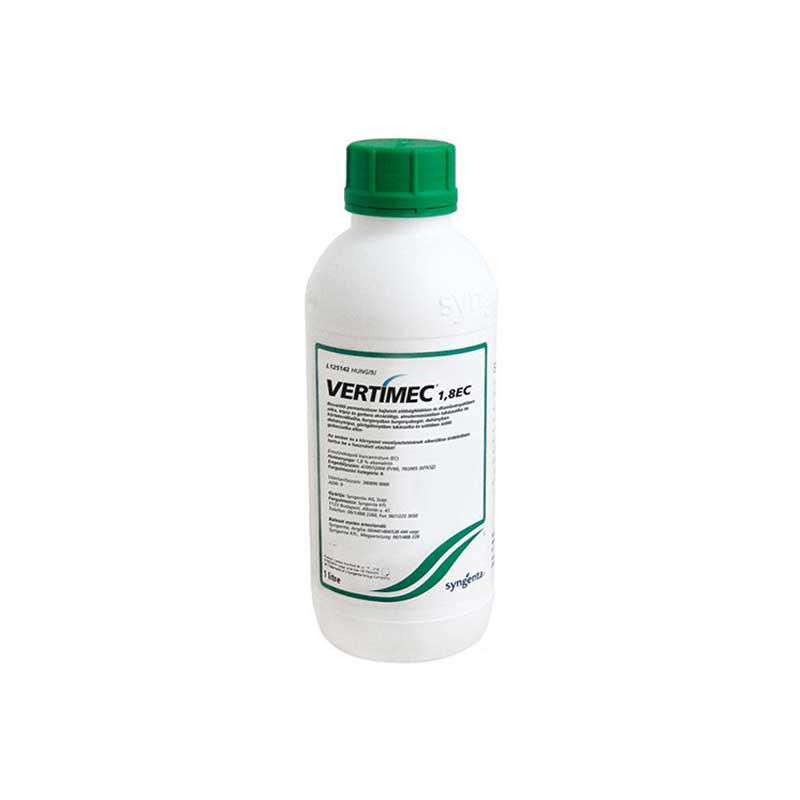
Insecticidul Vertimec 1,8 ec It is ideal for fighting vegetable crop mites, screws and fruit trees. It quickly penetrates the plant, where it forms an active deposit in the mesophilic of the leaves, which will guarantee the control of parasites for a long period. It has an excellent local systemic effect in the leaves, protecting both their faces. It acts on parasites mainly by ingestion, destroying adults and larvae that feed on the treated parts of the plant. He also has contact activities, if he comes into contact with the mite.
After applying the treatment of insecticides of vertime, the paralyzing immediately paralyze and the diet is arrested. However, maximum mortality is obtained within 3-5 days from the ingestion of the lethal dose.
It is recommended to apply the treatment as soon as the first mites appear. It does not apply to intervals lower than 7-10 days and it is recommended not to exceed 4-5 treatments with top per season. In order to improve the penetration of the product in the plant and the uniformity of the treatment, it is recommended to use this insecticide mixed with mineral summer oil of 7.25% or organosilic adjuvants. It is recommended to apply the treatment in the morning or in the evening, when the temperature is low and the stoma are open.
Nissorun 10 WP
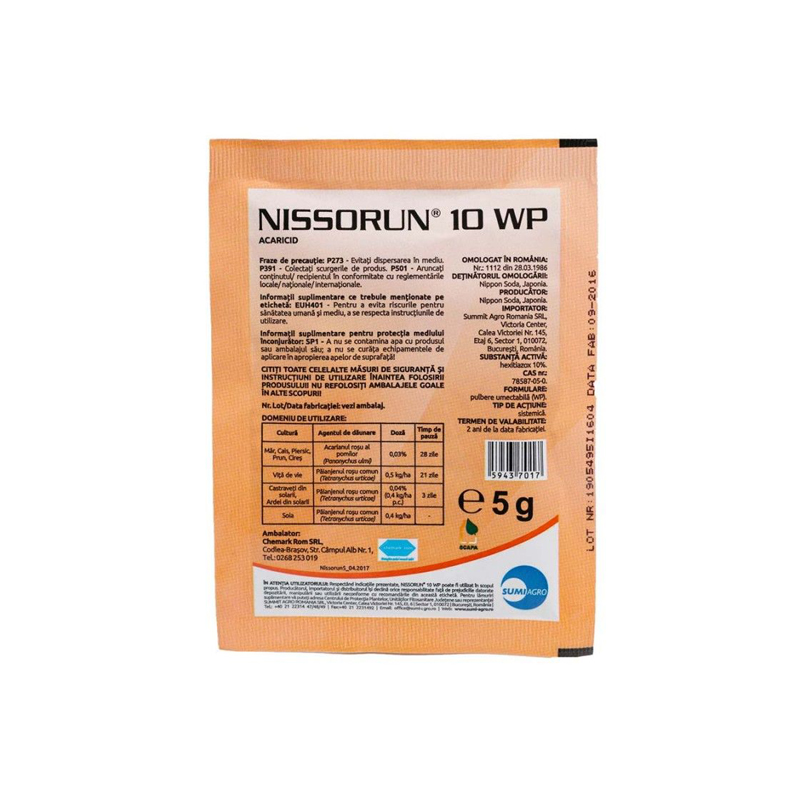
Nissorun 10 WP It is an acaricide that contains 10% of Estiazole and is presented in the form of wet dust. It is an ideal treatment to combat the common red spider of aubergines, cucumbers, apple, apricot, fishing, plum, cherry and screws. It has a translaminic effect, therefore it is effective in fighting the common red spider on both sides of the leaf. The eggs deposited by adults who came into contact with this mite become sterile.
Nissor's acaricide has a residual 40 -day activity and is not influenced by the rainfall that appear after the solution has dried on the plant. It is recommended to make the splashes evenly and use quantity of water per hectare, specific for each phase of culture and vegetation.
Milbeknock insecticide
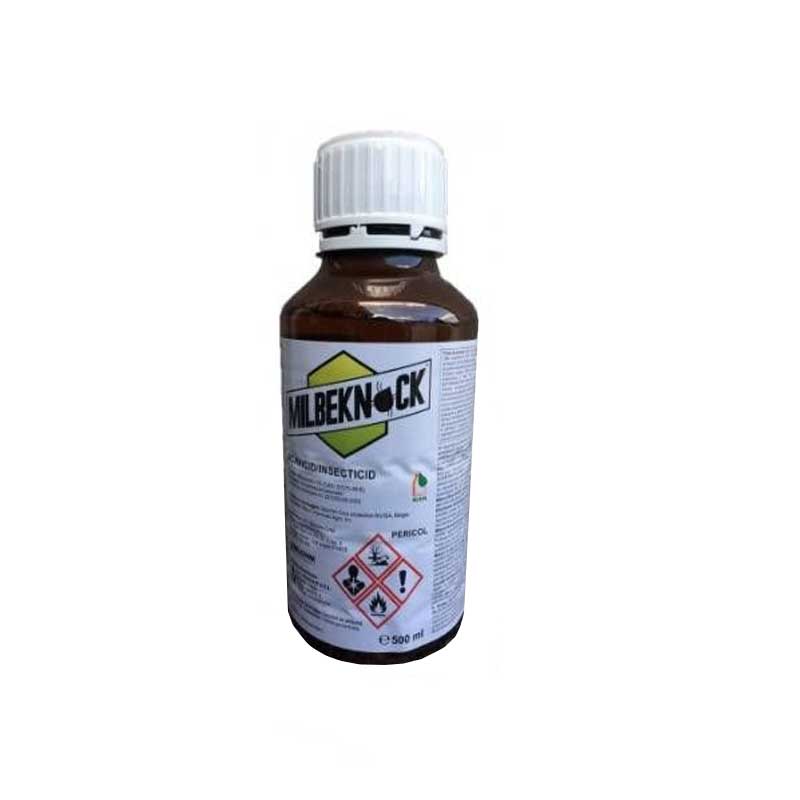
Insecticidul Milbeknock It is an acaricide with a translation action and is not influenced by the rains that appear a few hours after application. It has a single mode of action, different from that of conventional acaricides. The mites and insects that come into contact with this insecticide die without presenting any movement or spasm. It is ideal for fighting a large spectrum of mites and insects, including the common red spider.
It fights the spider in all its development phases: egg, larva, nymph and adult. It has a long residual activity of about 40-50 days. Unlike conventional acaricides, Milbeknock requires a shorter break up to the shorter harvest, between 1 and 14 days depending on the species. In addition, it is not influenced by the level of temperatures on the application.
It is recommended to apply the uniform, with a volume of water of 1000-1500 l/ha, depending on the culture. The ideal time for the application is after the appearance of harmful spiders and the maximum effect is obtained when applied at the beginning of the festival, when the number of adults harmful to the plant is reduced.
Methods to prevent the common red spider with vegetables
It is known that it is easier to prevent than to treat, and this is true when it comes to the common red spider. Therefore, there are some methods that help prevent the occurrence of this parasite in vegetables. Here are some of these methods:
- Plant vegetables in the specific soil for each type of vegetables.
- Rotation of crops.
- Prepare the soil correctly for sowing operations and take care adequately during the growth and development of plants and vegetables.
- Respects the sowing period and the specific conditions of each plant.
- Fertilize the ground every time it is necessary.
- Choose variety of vegetables or even hybrid varieties, which are famous for their degree of resistance to parasites and diseases.
- Eliminates the plants that have already been attacked by parasites from plant culture.
- Before sowing, treating the sowing material with specific substances.
- Clean the space well before planting, to remove all weeds and plants.
- Respect the irrigation process for each type of vegetables.
- Correctly sanitize all the tools you use in gardening.
Conclusion
The common red spider is a rather dangerous parasite for plant crops and beyond. There are some effective acaricides in the fight against this parasite. In addition, you can also use various methods to prevent the appearance of the common red spider.
latest posts published

Thyme – Everything you need to know about Timo

Modern agriculture with the help of industrial drones

Lavender culture. Rules of treatment to obtain a rich harvest

What are the machines that serve to alleviate agricultural work?

What prevention methods should you apply when using the total herbicide?

How many types of fertilizers are there and when do you have to use them?

The complete guide to the preparation of the garden in the cold season

The main agricultural works in July

Fodder Beet – Everything you need to know about its cultivation
