
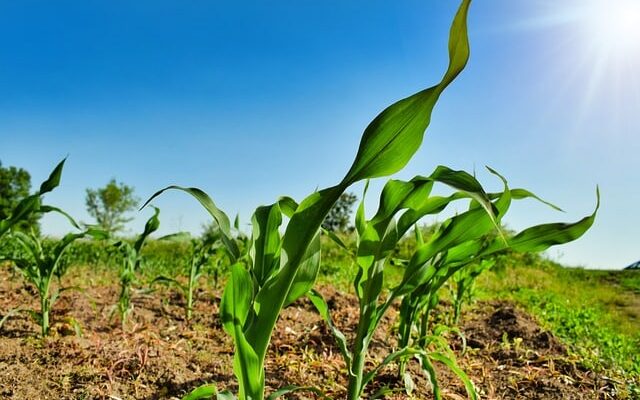
Grass is one of the major challenges in Cultivation of cornBecause they compete with plants grown for water, light and nutrients. In the context of sustainable agriculture and growing concerns about the impact of pesticides on the environment and human health, natural methods to combat weeds in the culture of corn become an increasingly interesting option. These can contribute to maintaining productivity without compromising the ecological balance of the soil.
Why choose natural methods to combat grass in corn culture?
The use of natural weed control methods in the culture of corn involves a series of important advantages. First of all, it reduces the dependence on chemical herbicides, which means a higher long -term ground and a higher biodiversity. Secondly, these methods are safer for farmers, consumers and fauna around culture. Last but not least, they support a more resistant and resistant agricultural system.
The main natural methods to combat grass in corn culture
1. Mechanical production is an effective method for combating grass in corn culture
One of the oldest and most effective methods to combat grass is naturally mechanical. This consists in the relaxation of the surface layer of the ground, destroying young weeds and preventing their diffusion. In corn culture, the harness can be made 2-3 times in the early stages of vegetation, when corn plants are sufficiently resistant, but the weeds have not yet matured.
Advantages:
- Reduces soil compaction
- It improves ventilation and drainage
- Destroy weeds without chemicals
2. Mulcation
The mill is made up of soil coverage with organic materials (straw, compost, vegetable fragments) or biodegradable materials to prevent germination of grass seeds. Although it is more common in gardening and plant crops, mulch can also be adapted to the culture of corn, especially in ecological agricultural systems.
Advantages:
- Reduces the light required for the germination of weeds
- Maintains soil humidity
- Improves the structure and fertility of the long -term ground
3
The rotation of crops is an excellent natural method not only to combat weeds, but also to maintain soil health. By changing crops from one year to the next, the life cycle of many species of weeds is interrupted, which can no longer adapt to the new conditions. The corn can be rotated with legumes, autumn cereals or other crops with different periods of vegetation and technologies.
4. Cover of crops
Cultivating the roof plants between two corn crops is another effective ecological strategy. These plants (eg Rye, cloves, mustard) prevent the development of weeds by covering the soil and direct competition with them for resources. In addition, they can fix the nitrogen to the ground and improve its structure.
Advantages:
- Fight grass for competition
- Enriching the soil with organic matter
- Soil erosion prevention
5. Choose competitive hybrids
Within an integrated strategy, the choice of corn hybrids with a good soil coverage capacity and a quick start in the vegetation can help reduce the pressure of weeds. Vigorous plants quickly shade the soil and prevent the development of weeds in the critical growth phases.
6. Manual methods and grass selection
In small lots or in ecological agricultural systems, the manual fold or the use of simple tools (excavations, grafts) can be a practicable solution. In addition, the constant monitoring and identification of infesting herbs help in rapid and targeted intervention, without generalized applications of unnecessary substances or efforts.
In the end
The natural combat of weeds in corn culture is not only an ecological option, but also an effective long -term method. The combination of different strategies – mechanical, biological and agronomic – can significantly reduce the pressure of weeds and contribute to a healthy, productive and sustainable culture. The choice of these methods concerns the context of each farm, but the benefits are visible not only in the quality of the soil, but also in the return to culture.
latest posts published

Thyme – Everything you need to know about Timo

Modern agriculture with the help of industrial drones

Lavender culture. Rules of treatment to obtain a rich harvest

What are the machines that serve to alleviate agricultural work?

What prevention methods should you apply when using the total herbicide?

How many types of fertilizers are there and when do you have to use them?

The complete guide to the preparation of the garden in the cold season

The main agricultural works in July

Fodder Beet – Everything you need to know about its cultivation
