
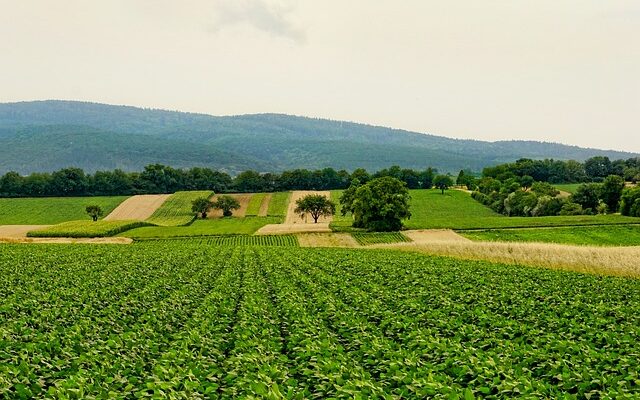
Summer does not only mean the sun and the harvest, but also an important transition period for many perennial plants, fruit trees and crops that enter a partial or total vegetative resting state. Although apparently the garden or orchard enter the «holiday», this phase requires a series of agricultural works essential for future health and crop productivity. Discover in our article what are the main agricultural works during the summer, the one in which the plants enter into temporary vegetative rest.
What is vegetative rest?
Vegetative rest is a period in which plants slow down their physiological rhythms, reducing or even stopping active growth. Traditionally, we associate this phase on the winter months, but there are also temporary or summer forms of rest, caused by thermal stress, drought or lack of nutrients. During the summer, many perennial plants and fruit trees enter into such a phase to preserve their energy.
Why is it important to work in the ground and culture during the vegetative rest period?
Even if the vegetation slows down, the plants are not completely inactive. Under the ground, the roots continue to breathe, absorb water and nutrients and the soil structure influences further development. Therefore, the agricultural works of this period are oriented towards maintenance, prevention and preparation for autumn.
Essential works during the vegetative rest period during the summer
1. Controlled and deep irrigation
Even if plants no longer grow actively, they need hydration during drought. IRRIGATION It must be done rarely, but in depth, to encourage the development of the roots in the deep layer of the soil. Avoid frequent and superficial irrigation, which can lead to surfaces of the roots and sensitize them at high temperatures.
2. Removal of prisoners -e -water
Lacoma or weeds can use water and nutrients in the ground. Deleting them helps the plant to focus its energy on maintaining health, in particular in conditions of thermal stress. In addition, clean soil reduces the risk of diseases and parasites.
3. Land Mulcation
The application of a layer of organic mulch (straw, dry leaves, compost) around trees and perennial crops reduces the evaporation of the water, stabilizes the ground temperature and suppresses the weeds. It is one of the most effective ways to protect plants in the summer vegetative rest period.
4. Moderate fertilization
Vegetative rest plants do not need large quantities of fertilizersBut a balanced intake of nutrients can support the radical system and prepare the soil for the next vegetative cycle. It is recommended to fertilize with mature compost, humus or slow -release fertilizers.
5. Fitosanitary treatments preventive
Even if the leaves are inactive or falls, pathogens can persist on bark, soil or vegetable debris. The application of preventive treatments (copper, sulfur or organic products) prevents autumn diseases and reduces the infectious pressure for the next season.
Summer vegetative rest does not mean inactivity
Even if the visible activity of the plants is reduced, the summer period is of balance and preparation for a new development cycle. Through correct agricultural works during vegetative rest during the summer, provide:
- Effective regeneration of perennial trees and plants,
- a healthy and well -structured soil,
- the control of diseases and parasites,
- A strong start in autumn or spring.
Conclusion
Vegetative rest in summer is a delicate but strategic phase in the life of any culture. With careful management of water, nutrients and general health of the soil, this period becomes an ally in maintaining the biological balance of your garden or orchard. Important interventions are not necessary, but well direct works, with long -term effects.
latest posts published

Thyme – Everything you need to know about Timo

Modern agriculture with the help of industrial drones

Lavender culture. Rules of treatment to obtain a rich harvest

What are the machines that serve to alleviate agricultural work?

What prevention methods should you apply when using the total herbicide?

How many types of fertilizers are there and when do you have to use them?

The complete guide to the preparation of the garden in the cold season

The main agricultural works in July

Fodder Beet – Everything you need to know about its cultivation
