
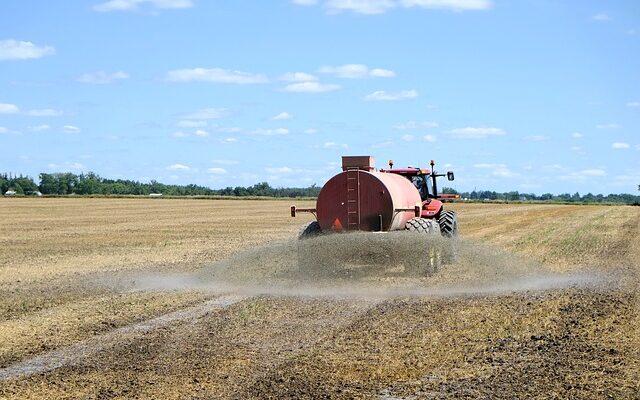
What is a fertilizer
A good farmer knows the importance of a good fertilizer. In order to maximize the growth and development of plants, it is essential to choose the fertilizer suitable for the specific needs of the plants. This article comes to your aid, shown how to choose the right type of fertilizer and how to use it correctly.
The fertilizer is a product that applies to the ground or sprayed on the plants above the ground, directly or indirectly, to guarantee the nutrients necessary for growth and to improve the quality of the final products. Fertilizers Direct guarantees that essential nutrients for plants and indirect ones are used to improve the physical and chemical properties of the soil, making it better for the development of plants.
Types of fertilizers
There are various types of fertilizers, depending on the different classifications. How do you choose the right type of fertilizer? How is the fertilizer classified? You will discover these things in this article. Mainly, depending on the components and how they are obtained, fertilizers can be inorganic (or chemicals) and organic.
Inorganic fertilizer
The inorganic fertilizer or chemical fertilizer contains one or more of the essential nutrients for growing cultivation and is obtained with chemical means. This category includes nitrogen fertilizers, phosphate fertilizers, potassium fertilizers, micronutrient fertilizers and compound fertilizers.
Nitrogen fertilizer
Nitrogen fertilizers contain nitrogen that plants need during development. Nitrogen plays an important role in growing crops, as it is part of vegetable amino acids and is a component that is the protein. It is also a constituent part of chlorophyll, which the balance is inclined in the photosynthesis process. Nitrogen also helps in the under-colonization of crops. Nitrogen fertilizer can increase production in agriculture and improve the quality of agricultural products.
Fertilizing phosphorus
Phosphorus is the main nutritional element in phosphorus fertilizer. The efficiency of the fertilizer depends on the actual phosphorus content, the properties of the soil, the fertilization method and the type of crop. Phosphorus is a component of cellular protoplasm in plants. It plays an important role in cell growth and proliferation. Phosphorus is also involved in photosynthesis, the use of sugar and starch and the transfer of energy. The Fertilizer of phosphorus promotes the growth of the radical system of plants, facilitating the maturation of plants. In the fruit phase, the phosphorus is transferred to cereals, making the fruits full.
Potassium fertilizers
Potassium fertilizers have potassium as the main nutritional element. Potassium helps to increase the increasingly stronger roots. In addition, it protects plants when there are no other nutrients. Potassium is a vital nutrient for photosynthesis and has the ability to slow down any disease that can influence culture. Potassium fertilizer has many advantages. Its use depends on the culture that plant, but it is important that this fertilizer is placed the closest to the roots of the plants.
Organic fertilizer
The organic fertilizer is generally known as manure or natural fertilizer, in particular by plants and animals. If applied to the ground, the organic fertilizer can provide carbonal materials necessary for the growth of plants. The organic fertilizer contains a variety of rich organic acids and nutrients. Not only does it offer a complete nutritional balance, but also has a strong gear -effect effect. This fertilizer can increase the content of organic matter, promote the reproduction of microorganisms and modify the physical and chemical properties of the soil. Therefore, it is a main nutrient for agricultural food products. Here are the main types of organic fertilizers:
Manure
Letoote is a mixture of solid and liquid animal sheets and liquids. It is used in a new state or in various decomposition phases. It contains appreciable quantities of nitrogen, potassium, phosphorus, calcium and various microelements. It provides nutrients to plants and contributes to improving the characteristics of the soil, improving the content in the humus and soil structure, increasing the permeability and ability to retain water and correction, to a certain extent, of the soil reaction.
Garbage of the birds
This fertilizer has a quick action because it has almost double nitrogen, potassium and phosphorus content, compared to manure. It can be used in dry or liquid state (mixed with water). It has an increase in soil acidity, which is why it has some restrictions on the new application.
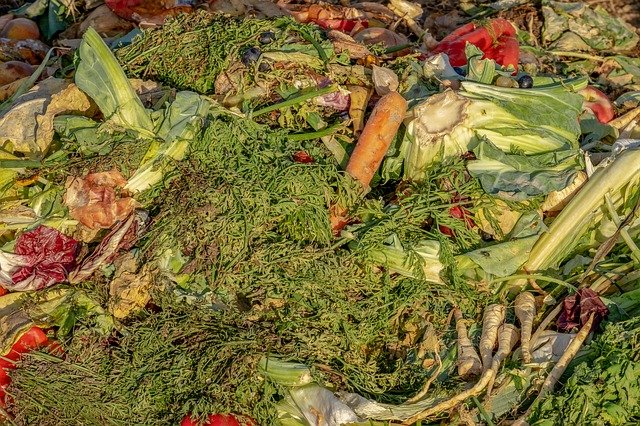
compost
Compost is a fertilizer obtained by fermenting plant residues, with or without organic debris, to a consistency similar to soil particles. Compost is mainly used in vegetables, but it can also be used in large crops.
Vegetable debris
The remaining remains after the collection can be cut and buried under the plow, which represent an economic and precious fertilizer.
Other types of fertilizers based on form or method of use
The fertilizers are available in various forms, such as dust, liquid or granular. Liquid fertilizers are often diluted with water and their application is similar to the wetting of the garden and is performed with a tube. Powder fertilizers also need water to be effective. They are often scattered manually and watered to completely absorb. Granular fertilizers can be scattered at the ground level and will be absorbed while you use them. Here are other types of fertilizers that exist:
- Agronutrients. They are soluble fertilizers used for plant crops e FLORAwhich stimulates non -hormonal growth and development.
- Lens fertilizers for release. Also known as controlled fertilizers for release, they are the last and provide nutrients for the development of all crops.
- Growth stimulators. They are used for vegetables and contain microelements necessary to develop the plant from fruit roots.
- Land amendments. There are fertilizers with the role of improving the quality of the soil, providing macroelements, microelements and organic matter.
Conclusion
There are various types of fertilizers, arranged in categories based on different classifications. The main types are organic and inorganic fertilizers (or chemicals). In each of these categories we find sub -categories of fertilizers. These are used according to the needs of plants in terms of nutrients.
Photo source: pixabay
latest posts published

Thyme – Everything you need to know about Timo

Modern agriculture with the help of industrial drones

Lavender culture. Rules of treatment to obtain a rich harvest

What are the machines that serve to alleviate agricultural work?

What prevention methods should you apply when using the total herbicide?

How many types of fertilizers are there and when do you have to use them?

The complete guide to the preparation of the garden in the cold season

The main agricultural works in July

Fodder Beet – Everything you need to know about its cultivation
