
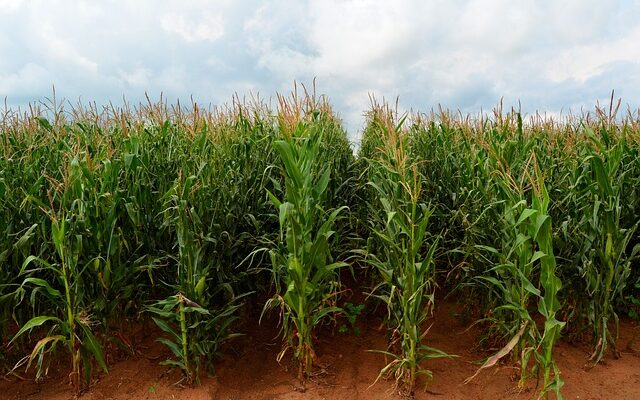
Modern agriculture is facing growing challenges in terms of culture production and the need to feed a growing global population. One of the basic crops for the production of food for humans and animals is corn. But the cultivation of corn is no longer as simple as in the past. Farmers are facing challenges such as climate change, the increase in parasites and weeds resistant to herbicides and at the limits of natural resources, such as water and soil. In this situation, innovations in corn agriculture have become fundamental to cope with these challenges and obtain sustainable, efficient and high quality crops.
In today's article we will talk about the main innovations in corn agriculture, showing you what are the main advanced technologies and methods that have transformed the way we cultivate this vital culture.
Corn agriculture made with genetically modified seeds
One of the most significant progress in the cultivation of corn are genetically modified seeds. For genetic modification, the characteristics of the corn plant can be improved to resist diseases, tolerate extreme growth conditions and obtain a greater yield. These corn seeds They can also have greater resistance to parasites and can be adapted to certain specific environmental conditions. This technology has played an essential role in the increase in corn production and in the reduction of dependence on pesticides and herbicides.
Effective irrigation systems
Another crucial aspect in corn agriculture is irrigation. In areas with small quantities of rainfall or drought, efficient irrigation systems guarantee a constant water supply for plants. Technologies such as drop irrigation and the irrigation of the aspects allow a precise distribution of water, saving resources and reducing waste. The monitoring of the humidity of the soil and the use of intelligent sensors helps farmers to determine what the optimal quantity of water is, ensuring efficient use and reducing the impact on the environment.
Use of parasitic control systems in agriculture of corn
Fighting parasites and weeds is a great challenge in corn agriculture. However, using advanced parasites control systems, such as targeted pesticides technology, it is possible to obtain more effective protection of crops and it is possible to reduce excessive use of chemicals. Therefore, the impact on the environment is reduced to a minimum and the quality and safety of the harvest are maintained.
Precision agriculture and use of drones
Precision agriculture and the use of drones brought a revolution in the way corn crops are managed and monitored. The imaging made with the help of drones, laser scan and monitoring sensors allows farmers to obtain detailed data on the health of plants, nutrients and the development of culture. This precious information facilitates real decisions and allows the rapid regulation of the application of agricultural inputs, such as fertilizers and pesticides, to obtain optimal results.
Conservative methods of agriculture and soil management
Conservative methods of agriculture and soil management are another important innovation in the growth of corn. Techniques such as the minimum soil work, the use of cover crops and composting practices contribute to the humidity of the soil, reduce erosion and improve their fertility. These sustainable methods guarantee a healthy growth environment for corn and have a positive impact on long -term soil quality.
High resolution technology for diagnosis of plants in agriculture of corn
The progress in high resolution technology brought significant benefits in the diagnosis and monitoring of the health of corn plants. High resolution imaging, such as air photos or infrared scan, can detect signs of thin stress, nutritional deficiencies or diseases in the early stages. This information helps farmers to adopt faster and accurate preventive and corrective measures, minimizing losses and maximizing the yield of culture.
Use of geographical information systems (GIS) in agriculture of corn
Geographical information systems (GIS) have become an indispensable tool in modern agriculture, including corn agriculture. By combining geospace data, such as the type of soil, soil topography, rainfall and other relevant variables, farmers can make better decisions regarding the management and use of resources. The use of geographical information systems helps to identify the best positions for corn cultivation, effective irrigation and fertilization planning and optimization of drainage systems.
Conclusion
Innovations in corn agriculture are essential to meet the food needs of a growing population and to guarantee sustainable production. From genetically modified seeds and efficient irrigation technologies, to the use of advanced parasitic control systems and soil management methods, farmers benefit from an arsenal tool to obtain prosperous crops.
By understanding and adopting these innovations, farmers can face current challenges and increase efficiency and sustainability in the cultivation of corn. From small and medium -sized farmers to large farms, these advanced technologies and methods help to optimize resources, reduce the impact on the environment and guarantee efficient and quality production in corn agriculture.
latest posts published

Thyme – Everything you need to know about Timo

Modern agriculture with the help of industrial drones

Lavender culture. Rules of treatment to obtain a rich harvest

What are the machines that serve to alleviate agricultural work?

What prevention methods should you apply when using the total herbicide?

How many types of fertilizers are there and when do you have to use them?

The complete guide to the preparation of the garden in the cold season

The main agricultural works in July

Fodder Beet – Everything you need to know about its cultivation
