
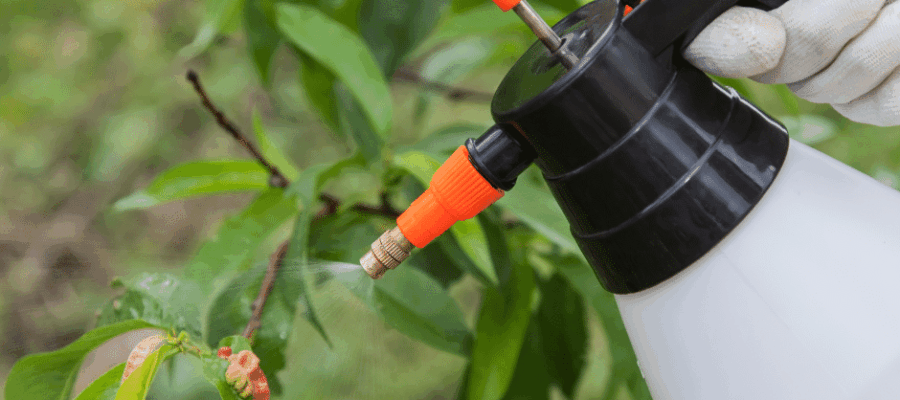
The application of fungicides is essential to prevent and combat fungal diseases in agricultural, horticultural or gardening crops. However, the efficiency of treatments with fungicide It depends not only on the quality of the chosen product, but also on the way it is applied. Many cultures suffer losses due to errors made in the candidacy process and these errors can lead to weak results, resistance development or even environmental effect. Find out what are the most common errors in the application of fungicides and how they can be prevented.
1. Application of fungicides at the wrong time
One of the most common errors is the application of fungicides too late, after the disease has already been installed or too early, before the plants are exposed to the risk of infection. Preventive fungicides must be applied before the appearance of symptoms or in the vulnerable phases of the crop. On the contrary, healing fungicides can be used in the first signs of illness, but their efficiency decreases with the progress of the infection.
How to avoid this error:
– Follows the weather forecasts and phytosanitary risks.
– Respect the recommendations in the product label and the specific treatment for culture.
– constantly monitors culture for the incipient signs of the disease.
2. The use of incorrect doses
The use of too low doses reduces the efficiency of the treatment and promotes the appearance of mushroom resistance, while too high doses can cause phytotoxicity or contamination from soil and water.
How to avoid this error:
– strictly respecting the indications on the dosage label and the concentration of the solution.
– Use a precise measurement and weighing equipment.
– correctly calibrate the spray equipment to apply the recommended volume.
3. The poor quality of the water used for the preparation of the treatments
Few farmers pay attention to the quality of the water used to prepare the treatment solution. A pH too high or too low, as well as the presence of impurities, can reduce the efficiency of fungicides.
How to avoid this error:
-Sorgilate the pH of the water before use (ideal between 5 and 7 for most fungicides).
– If necessary, use the pH or filter water corrections.
– Avoid water with sediments or contaminants that can clog the nozzles.
4. Application of fungicides in adverse weather conditions
Sprinkle during the rain, the strong wind or extreme temperatures reduce efficiency and loses the solution. In addition, fungicides can be washed by the leaves before reciting.
How to avoid this error:
-Applies the treatments in days with weak wind (less than 15 km/h) and without imminent rain in the next 6-8 hours.
– Avoid applying in the middle of the day, when the temperatures are high and the evaporation is fast.
– Plan the treatments in the morning or in the evening.
5. Missions incompatible with other products
Many farmers choose to combine fungicides with herbicides, insecticides or fertilizers, but some products are not chemically compatible and can reduce the efficiency or cause of the damage of plants.
How to avoid this error:
– Check the compatibility tables provided by the manufacturers.
– performs a small scale compatibility test before applying throughout the culture.
– If there are doubts, apply the treatments separately.
6. Drying protective equipment and personal safety in the application of fungicides
A serious but common mistake is the application of fungicides without adequate protective equipment, which exposes the operator to the risk of intoxication.
How to avoid this error:
– always wears mask, gloves, suits and glasses during the preparation and application of solutions.
– Wash your hands and face well after application, even if you used protective equipment.
-Spette the fungicides in the original packaging and in a safe space, far from children and animals.
In the end
The application of fungicides requires attention, precision and compliance with good agricultural practices. By avoiding the errors presented above, not only you will get an effective protection of crops, but you will also contribute to reducing the negative impact on the environment and preventing the resistance of pathogens.
latest posts published

Thyme – Everything you need to know about Timo

Modern agriculture with the help of industrial drones

Lavender culture. Rules of treatment to obtain a rich harvest

What are the machines that serve to alleviate agricultural work?

What prevention methods should you apply when using the total herbicide?

How many types of fertilizers are there and when do you have to use them?

The complete guide to the preparation of the garden in the cold season

The main agricultural works in July

Fodder Beet – Everything you need to know about its cultivation
