
Anthrachnosis of beans with the scientific name Lindemuthianum diseaseIt is found in all countries with a temperate climate and is more common in the crops of beans. In today's article we show you how to identify this disease in beans, as you can prevent it and fight it.
Fungus Lindemuthianum disease The remains of sick plants resists and like mycelium in the seed. The main source of infection in the following year is the seed. The extension of the disease is favored by rainy periods and temperatures between 13th and 27 ° C.
How to identify the anthracnosis of the beans?
The anthracnosis of the bean occurs in all stages of development. Attack all the above organs: stems, leaves, fruit and seeds.
Payments that come from seeds infected with this disease have cotyledoni lesions. The lesions are circular or elongated, have a black brown color, are deepened in the fabrics, which generally determine the death of the plants.
On the bottom of the infected leaves, circular or irregular spots appear, brown yellow, with brown-red edge. These points are arranged along the ribs. The tissues affected by the disease are necrotic and broken and infected leaves have a broken appearance.
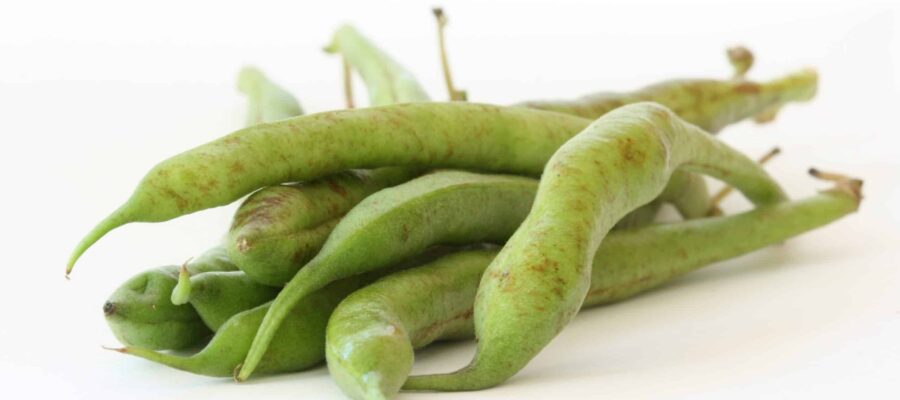
When the stems are attacked, lesions appear, which are deepened in the substrate. The most characteristic, more common and that produces the greatest damage is the attack on pods. When infected with anthracnosis of the bean, they seem small rusty points, which are enlarged over time, they become circular and deep and delimited by a reddish edge. At the beginning, the spots are reddish, after which they confirm and develop the reddish points in the central part, arranged in the form of concentric circles, which represent the mushroom. The pod infection penetrates the seeds, where it occurs in the form of brown-yellow stains.
How to prevent and fight bean anthrachnosis?
In order to prevent the onset of the bean anthrachnosis, it is recommended to assemble and destroy vegetable residues, cultivate resistant varieties, the use of healthy seeds, as well as the rotation of culture, so that the beans do not return to the same land of land faster than 3-4 years.
In order to fight the anthrachnosis of the bean, specific fungicides are recommended. Here are some of the most suitable products:
Fungicid switch 62.5 Wg
Fungicidul switch 62.5 Wg It is a unique combination of active substances with double action, systemic and contact and has a low risk of resistance.
Fungicid Merpan 80 WDG
Fungicidul Merpan 80 WDG It is a contact fungicide that contains 80% of captain and has granules dispenable in water with preventive and curative action for a large spectrum of phytopathogenic mushrooms, approved for apple treatments, tomatoes, beans, cucumbers and tobacco (seedl).
Fungicid Top's howsor
Fungicidul Ortive Top It is a fungicide with contact, systemic and translaminal activity, which acts on a large spectrum of diseases, preventive and curative.
Fungicide amistar
Fungicide amistar It is a systemic fungicide that plays a role in the fight against diseases in a broad spectrum of cultures, with a role of prevention and curative.
latest posts published

Thyme – Everything you need to know about Timo

Modern agriculture with the help of industrial drones

Lavender culture. Rules of treatment to obtain a rich harvest

What are the machines that serve to alleviate agricultural work?

What prevention methods should you apply when using the total herbicide?

How many types of fertilizers are there and when do you have to use them?

The complete guide to the preparation of the garden in the cold season

The main agricultural works in July

Fodder Beet – Everything you need to know about its cultivation
