
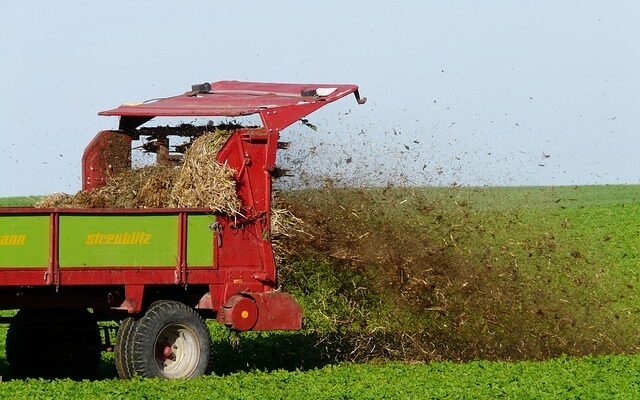
For optimal development, plants need the soil in which they are planted to contain the right quantities of nitrogen, phosphorus, potassium, calcium, magnesium, iron, zinc, copper and other nutrients. Differ according to the cultivated plants. Since not all land contain the components necessary to obtain a rich harvest, it is recommended to improve the earth with fertilizers. Fertilizers Natural have many advantages, which is why global specialists recommend farmers and families to use them. They contribute to improving the consistency and fertilization of the soil, do not pollute and promotes the development of bacteria and mushrooms in the ground. In addition, fertilization with natural fertilizers is an efficient, ecological and even cheaper way to add the necessary nutrients in the ground. In today's article we present some basic information on natural fertilizers, classification and advantages, as well as what are the most commonly used natural fertilizers.
What are natural fertilizers?
Natural fertilizers are those substances that have not been chemically processed. They are obtained from organic sources or mineral sources. To release their nutrients, most fertilizers must break in the ground.
The role of fertilizers
Any plant requires that the fertilizer grows, since the fertilizer ensures the nutrients necessary for optimal development. There are some essential nutrients for plants and we will continue to introduce you who he is.
Nitrogen
Nitrogen represents the fundamental element in the establishment of plants. The lack of nitrogen in the soil causes the interruption of the growth of plants, while excess nitrogen leads to sensitivity to the fall, diseases, drought and frost. Nitrogen is used by plants in a proportion of 25-60%.
phosphoric
Phosphorus is absolutely necessary for plants and is found in mineral form or in the form of organic compounds. Its lack causes deep disorders, the plants remain small, the leaves are discolored, the roots grow, the leaves fall and the production decreases. Instead, the excess of phosphorus becomes toxic to plants and causes premature sterility and yellowing. Plants absorb 1-5% of soluble phosphorus from the ground.
Potassium
Potassium plays a multiple role in the plant, more precisely: it intensifies the absorption of water, reduces sweating, promotes carbohydrates, lipids and proteins, intensifies photosynthesis and stimulates cell division and growth growth. Its lack of the plant causes important ailments, such as the aging of the leaves, their twist and the drying, the poor twinning in the case of cereals, radical rot and irregular cooking. Plants take only 1-3% of potassium in the ground.
Types of natural fertilizers
There are various types of natural fertilizers and below we present the main types.
Organic fertilizers
Organic fertilizers are made up of stable manure, letters for animals or vegetable debris. These are applied, taking care of the fact that fresh organic material does not come into contact with the roots of the plants, since they can burn them. Materials must be transformed into compost before planting or being positioned on the surface and incorporated by stall or discussion, until you reach a depth of 5-10 cm in the ground.
Natural mineral fertilizers
Natural mineral fertilizers represent the stadium that follows after fertilization with organic fertilizers. It is used in small quantities to balance organic matter.
Amendments for the soil
Soil amendments are used to improve the physical and biological features of the earth, in particular to correct the soil pH. For example, in the case of alkaline land, calcium and lime stone are used and in the case of acidic land, calcium sulphate (plaster) and sulfur are used.
When should natural fertilizers be used?
There are three types of natural soil fertilization, depending on the period in which it is done: before sowing and during the plants development cycle.
In the preparation of the soil for sowing, natural fertilization refers to the grouping of fertilizers, autumn or spring, before creating a culture. At this stage, natural fertilizers are added to the ground during the excavation.
At the time of sowing, natural fertilization is obtained when planted, in order to provide plants with the nutrients necessary to grow rapidly.
In various stages of the development of plants, natural fertilization is obtained at the root and leaves.
How are natural fertilizers used?
Natural fertilizers are obtained from vegetable debris from the garden, which are composed to be transformed into fertilizers. There are also natural fertilizers of animal origin, but they are not fresh, because they are acidic and burn plants. The fertilizers of animal origin are left to compost for a long period and therefore mix well with the ground.
The advantages of natural fertilizers
Natural fertilizers add nutrients to the ground. In addition to this main advantage, natural fertilizers have other advantages. Here are some:
- When natural fertilizers break, they improve the soil structure and its ability to retain water and nutrients.
- The materials used for these fertilizers are biodegradable and contribute to the recycling process.
- Most of the materials used as natural fertilizers are cheap, as they consist of debris of vegetables and animals, waste that can be transformed into compost.
- Natural fertilizers stimulate the natural development of plants. In addition, plants help to become more resistant to diseases and parasites.
- Unlike chemical fertilizers, natural ones do not have the risk of toxic accumulations of chemicals and salts that are harmful to plants.
What are the best Plantmaster fertilizers?
Then we will present some of the best Plantmaster fertilizers.
Fogliar Cropmax
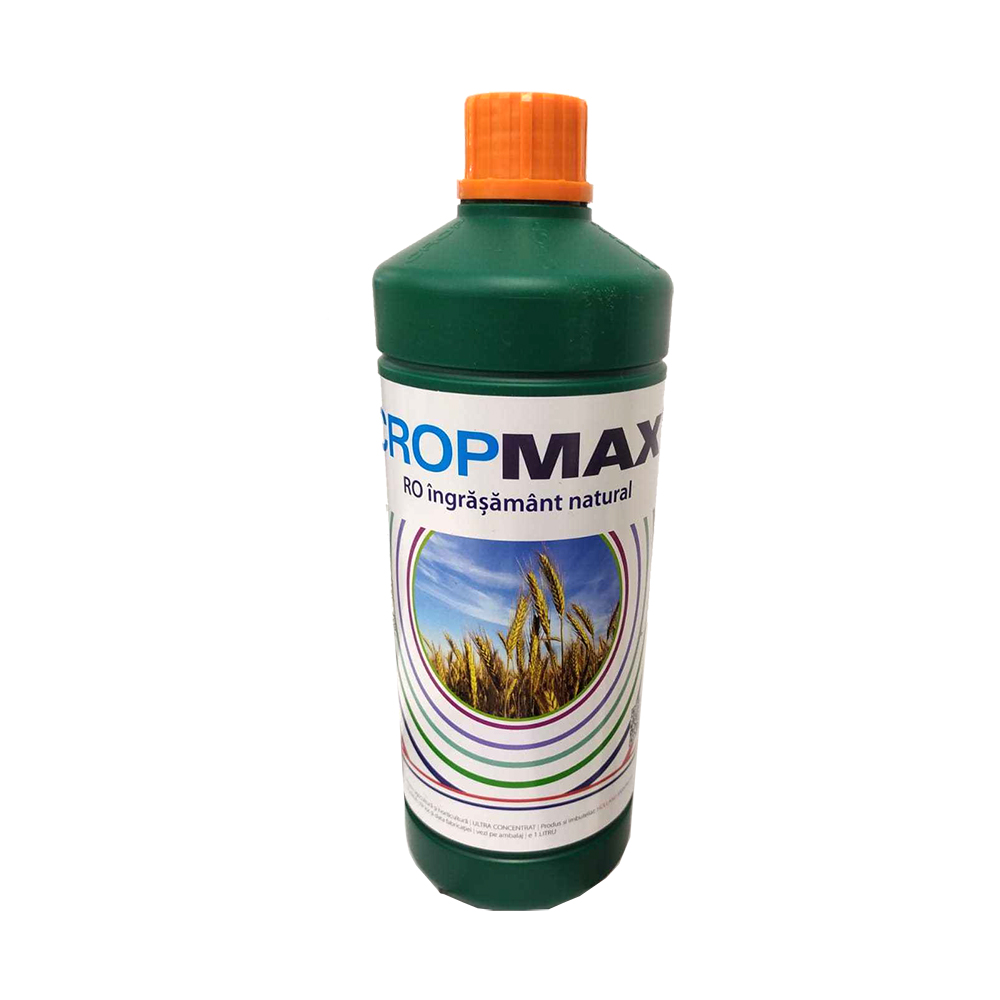
Natural fertilizer Fogliar Cropmax It is a concentrated leaf fertilizer, rich in macro and microelects, growth stimulators, vitamins, polysaccharides, enzymes, with favorable effects on direct metabolism. It is 100% organic and can be used for all cultures. Its use determines the rapid development of the radical system and the growth of the leaf mass, so that the plants reach their organic production potential. It is recommended to use it in a dose of 500-1000 ml/has in treatment and the performance of 1-3 treatments during the vegetation period, depending on the culture.
Bionutrivit natural organic fertilizer
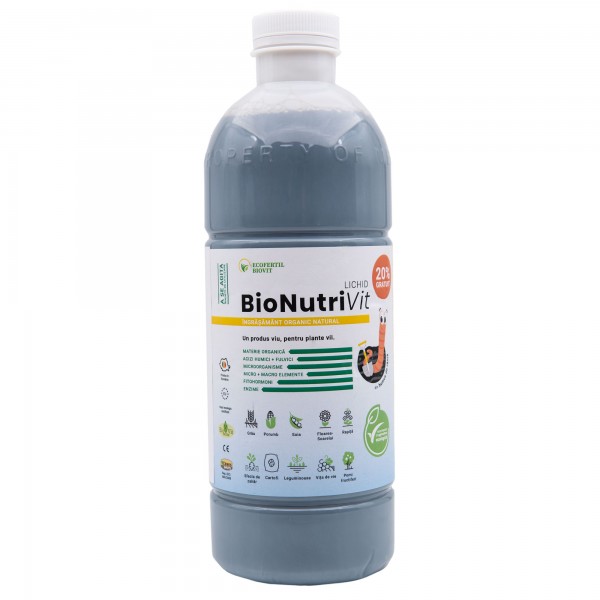
Bionutrivit natural organic fertilizer It can be applied both leaf and ferry or root. It is recommended to use it in combination with systemic herbicides, amplifying their assimilation and increasing their effectiveness.
Organic fertilizer of organic plan
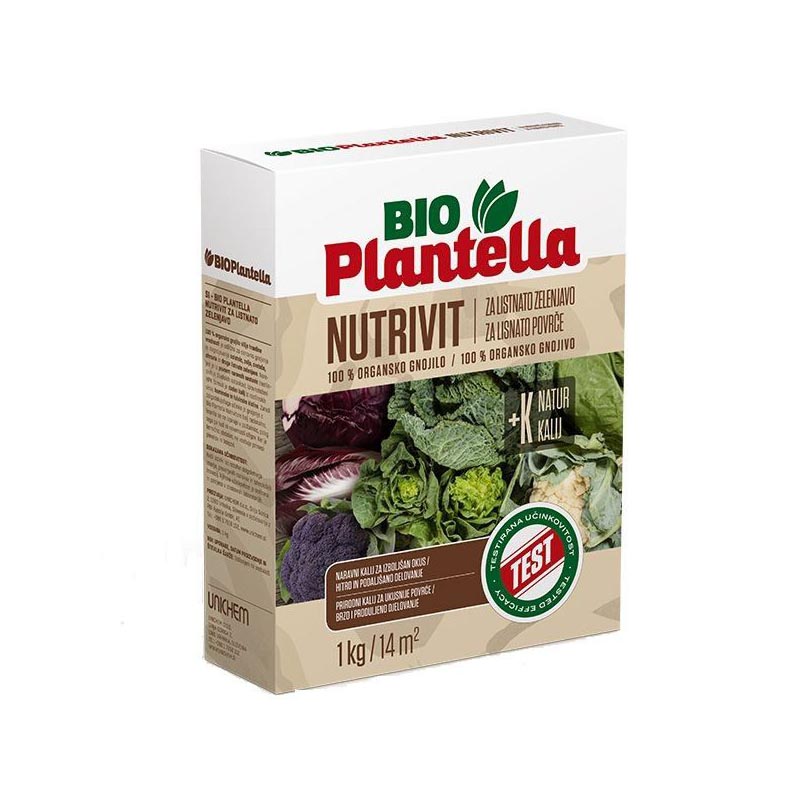
Organic biological fertilizer It is in the form of granules and slide on the ground surface. It is recommended to bury granules in the ground, to benefit from immediate efficiency. This fertilizer is used for initial fertilization, both spring and autumn. Its ingredients are completely natural, containing animal and vegetable debris. Contains the NPK formula, which helps to develop the roots.
Blackjak of the biostimulator
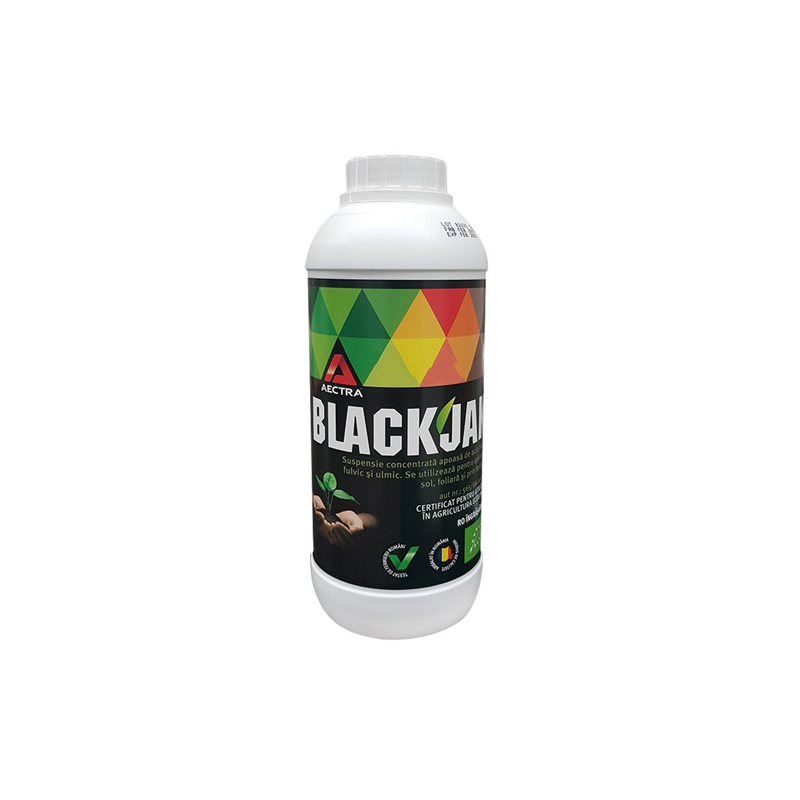
Blackjak of biostimulation It is 100% natural and can be found in the form of concentrated aqueous suspension, obtained by very rich Leonarditis in the humus. It offers the advantages of the use of 7-8 tons of manure, without being contaminated with grass seeds or parasitic eggs. Used with foliage fertilizers, this biostimulator increases their efficiency. The Blackjak biostimulator contributes to the restoration of soil fertility and the acceleration of the root process, increases the amount of humus and the potential for water retention, facilitates the multiplication of soil microorganisms, helps to unlock nutrients from the ground and facilitates enzymatic activity.
Conclusion
Plants need nutrients to develop correctly and get a good harvest. For this, it is necessary to improve the ground with fertilizers. The best and safer option in this regard are natural fertilizers.
latest posts published

Thyme – Everything you need to know about Timo

Modern agriculture with the help of industrial drones

Lavender culture. Rules of treatment to obtain a rich harvest

What are the machines that serve to alleviate agricultural work?

What prevention methods should you apply when using the total herbicide?

How many types of fertilizers are there and when do you have to use them?

The complete guide to the preparation of the garden in the cold season

The main agricultural works in July

Fodder Beet – Everything you need to know about its cultivation
