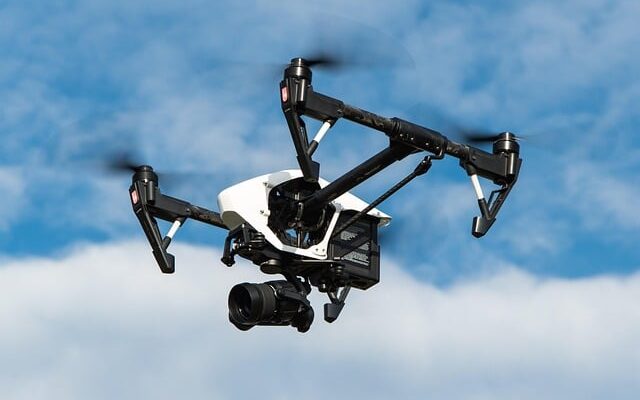
Use of drones in monitoring and managing corn crops


Modern agriculture is in continuous evolution and advanced technologies, such as drones, play an increasing role in the effective management of culture. In the case of corn, one of the most cultivated cereals all over the world, the use of drones can bring many benefits, from the monitoring of the health status of plants to the precise application of the treatments necessary for corn culture. Discover in these articles what are the advantages, use and impact of drones on productivity in Cultivation of corn.

1. Advantages of the use of drones in the cultivation of corn

The adoption of drones in agriculture offers numerous advantages that contribute to increasing efficiency and reducing production costs. Among the main advantages are:

  • Quick and detailed monitoring. Drones can make large surfaces fly in a short time, providing detailed images on the state of culture. This allows farmers to quickly detect problems such as drought, nutritional deficiencies or diseases.
  • Losses that reduce and early intervention. By analyzing the captured images, the problems can be identified before significantly influencing the yield of culture. For example, the early detection of a nitrogen deficiency allows to apply correct fertilization, thus avoiding the decrease in production.
  • Optimization of the use of resources. Drones equipped with multi -space sensors help to determine the exact need for water, fertilizers and pesticides, thus avoiding waste and reducing the impact on the environment.
  • Precise mapping of the earth. Through GPS technology and data processing software, farmers can obtain detailed field maps, useful for planning crops and correcting soil management.
  • Reduce cost costs. Manual monitoring of a corn culture on large areas requires a large number of people and time. Drones replace this work, saving significant resources.

2. Types of drones used in agriculture

The drones used in monitoring and managing corn crops can be divided into two main categories:

a) Monitoring of drones

These drones are equipped with high resolution cameras and multi -special sensors, which allow the analysis of the health status of plants. They detect:

  • Water stress and nutritional deficiencies;
  • The presence of weeds and parasites;
  • Problems caused by diseases and fungal infections.

b) drones to apply treatments

These drones are equipped with spray systems and allow the controlled distribution of pesticides, fungicides or liquid fertilizers. The benefits include:

  • Precise application of substances only in the areas concerned, reducing the consumption of chemicals;
  • Reduce the time required for treatments, compared to conventional methods;
  • Minimize soil compaction, because drones eliminate the need to use heavy tractors.

3. How does the corn culture work with the help of drones?

The monitoring of drones is based on the collection and analysis of visual and spectral data. The process includes different essential phases:

  • Flight planning. The optimal flight path and the height at which the drone must operate to cover the entire surface of the crop are established.
  • Capture images. Drones equipped with RGB, infrared or multi -spaced rooms capture high resolution images, which highlight the problems of culture.
  • Data analysis. The images are processed using advanced software and farmers receive detailed relationships on the condition of plants.
  • Make decisions. On the basis of the data collected, farmers can intervene quickly to apply fertilizers, irrigation or treatments, prevent production losses.

4.

Although drones offer multiple advantages, there are some challenges associated with their use, for example:

  • High initial costs. The purchase of a high -performance drone software and analysis requires a significant investment. However, long -term use can lead to important savings.
  • The need for training. The operation of an agricultural drone requires technical knowledge and, in some cases, a special certification.
  • Unfavorable weather conditions. The strong wind, rain or fog can affect the flight and quality of the captured images.

5. Future of drones in corn agriculture

Droni technology is in continuous development and their future in agriculture is promising. Recent innovations include:

  • Artificial intelligence and automatic learning. Advanced algorithms will allow more precise identification of automatic diseases and treatments.
  • Integration with other technologies. Drones will work with soil sensors and intelligent irrigation systems for more efficient resource management.
  • Advanced automation. The future drones will be able to operate independently, without human intervention, to monitor cultures in real time and apply the necessary treatments without delay.

In the end

The use of drones in monitoring and managing corn crops is an important step towards more efficient and sustainable agriculture. These modern technologies offer farmers the opportunity to detect problems over time, optimize resources and improve crop yield. Although their implementation requires investments and training, the long -term benefits are considerable and the future of precision agriculture seems to be closely related to the use of drones.

latest posts published

Thyme – Everything you need to know about Timo

Thyme is a plant originating in southern Europe, which is found in spontaneous flora in ...

Modern agriculture with the help of industrial drones

The drones are advanced, intelligent and versatile, as they can be used in various sectors ...

Lavender culture. Rules of treatment to obtain a rich harvest

The culture of lavender can become a profitable activity for both farmers and entrepreneurs or ...

What are the machines that serve to alleviate agricultural work?

Agriculture has not been and is not easy and the challenges appear at every step ...

What prevention methods should you apply when using the total herbicide?

In general acceptance, herbicides There are substances that destroy weeds and protect cultivated plants, being ...

How many types of fertilizers are there and when do you have to use them?

What do you need to know about fertilizers? A good farmer knows the importance of ...

The complete guide to the preparation of the garden in the cold season

As soon as the cold season makes its presence feel, it is important to prepare ...

The main agricultural works in July

July is one of the most important months for Romanian farmers. This month the fruits ...

Fodder Beet – Everything you need to know about its cultivation

Foraggio beetroot It is a precious, juicy and extremely nourishing feed. It is recommended to ...

Wheat – everything you need to know about the culture of wheat

Grain It is the most important cultivated plant in the world and is grown in ...

Leave a Reply

Tu dirección de correo electrónico no será publicada. Los campos obligatorios están marcados con *