
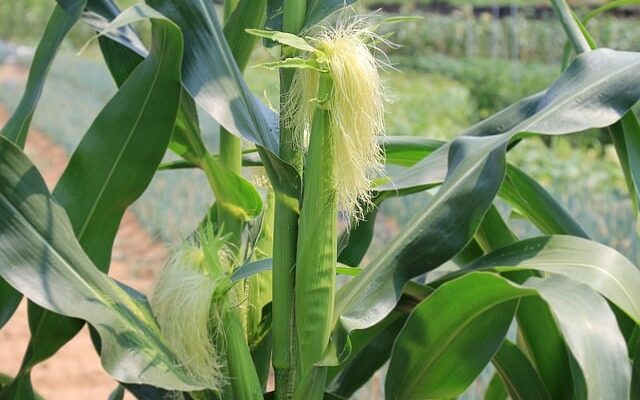
The rotation of cultures is an ancient agricultural practice, but of crucial relevance in modern agriculture. As for the cultivation of corn, this technique plays an essential role in maintaining the health of the soil, maximizing production and reducing the negative impact of monoculture. Discover the benefits of the rotation of crops, as influences soil health and recommendations for the efficient application of this practice in corn culture.
What is the rotation of the crops?
The rotation of the crops consists in alternating the different types of plants grown in the same terrestrial area, from an agricultural season. This aims to prevent the exhaustion of specific nutrients and the control of parasites and diseases that accumulate in the soil in the event of monoculture. For cornRotation with other cultures such as soy, wheat or legumes offers significant benefits.
Benefits of the rotation of crops in the cultivation of corn
1. Maintenance of soil fertility
The corn has high nitrogen requirements and other nutrients and repeated cultivation on the same surface can lead to a rapid exhaustion of soil resources. By rotation, the soil has the opportunity to restore its nutritional reserves, especially if you use legumes (such as soy or alfalfa), which enrich the soil with nitrogen by fixing it from the atmosphere.
2. Reduction of the festival with parasites and diseases
Monoculture creates an ideal environment for specific parasites of proliferating corn. The rotation with other cultures can interrupt the life cycles of these parasites, reducing infestation and limiting the use of pesticides.
3. It improves the soil structure
The repeated cultivation of corn can compact the ground, reducing its permeability. Rotation with cultures that have different roots, such as wheat or legumes, can help plow and improve the soil structure.
4. Control of weeds
Corn is sensitive to competition with weeds and the rotation of crops allows the use of various management techniques. For example, the alternation of wheat can suppress annual weeds due to the coverage of the soil in the cold season.
5. Increase in sustainability
The rotation of crops contributes to more sustainable agriculture reducing the need for chemical fertilizers and pesticides. This protects biodiversity and reduces the negative impact on the environment.
What plants do you recommend rotating crops in corn cultivation?
In the case of corn, there are some cultures that ideally adapt to alternation, each bringing specific benefits to the soil and subsequent culture. Here are some of these:
1. Legumes
Cultures such as alfalfa, clover, peas or soybeans are excellent for the rotation of corn. These plants fix nitrogen in the ground through bacteria in the nodules of the roots, enriching the soil with this essential nutrient. After a culture of legumes, the corn benefits from a natural nitrogen reserve, reducing the need to use chemical fertilizers.
2. Autumn cereals
Wheat and barley are popular options for the rotation of corn. They have a different radical system, which helps prevent soil compacting and improve its structure. They also reduce the risk of accumulating specific corn parasites, such as worms.
3. Oil crops
Sunflower and rapeseed are other excellent choices for the rotation of corn. These cultures contribute to the diversification of agricultural ecosystem and can break the cycles of parasites and diseases. Their deep roots also help mobilize nutrients in the lower layers of the ground.
4. Foraggio crops
Forage plants, like hay grass, are suitable for rotation because it helps to restore the ground. They can prevent erosion, while improving the organic content of the soil through the remaining vegetables residues after collection.
5. Cover of crops
Plants such as oats, rye or mustard are ideal for rotation, even if they are not collected for the main production. They are used to protect the soil from erosion, to control weeds and to increase the content of organic matter based on their subsequent decomposition.
6. Potatoes or sugar beet
In some regions, potatoes or sugar beet are included in the rotation of corn to diversify the ecosystem and avoid cultural monotony. However, they require careful soil management to prevent excessive exhaustion of nutrients.
Recommendations for the implementation of the rotation of crops
Long -term planning
It establishes a rotation scheme for at least 3-4 years to guarantee all the benefits of this practice. Note the order of crops and respects the specific agricultural calendar for each plant.
Choose complementary cultures
To obtain the best results, select cultures that complete each other in terms of nutritional requirements and protection of parasites.
Integrate coverage cultures
The use of coverage crops between the seasons is an effective way to improve the quality of the soil and prevent losses of nutrients.
Monitor and evaluate the ground
Periodically test the soil to evaluate the level of nutrients and its general health. This will help you regulate the rotation of crops and apply fertilizers only where necessary.
In the end
The rotation of crops is a basic agricultural technique, but of great importance in maintaining the health of the soil and the optimization of corn production. By alternating crops, the impact of parasites can be reduced, soil fertility can be improved and sustainable agriculture. The implementation of a well -planned rotation scheme is an essential step for the long -term success of any agricultural participation.
latest posts published

Thyme – Everything you need to know about Timo

Modern agriculture with the help of industrial drones

Lavender culture. Rules of treatment to obtain a rich harvest

What are the machines that serve to alleviate agricultural work?

What prevention methods should you apply when using the total herbicide?

How many types of fertilizers are there and when do you have to use them?

The complete guide to the preparation of the garden in the cold season

The main agricultural works in July

Fodder Beet – Everything you need to know about its cultivation
